Hedge Trimming in Richmond

Hedge Trimming Richmond provides a straightforward service for keeping hedges neat, shaped and manageable across the Richmond area. The work can support formal boundary lines, softer garden screening and mixed planting that needs selective cutting rather than heavy reduction. Our focus is on careful trimming that respects the plant’s growth habit, the season and the finish the customer wants, whether that means a crisp profile, a lighter tidy-up or a more balanced outline.
We trim hedges to improve appearance, help maintain clear boundaries and keep growth under control where branches are starting to spread beyond their intended line. In practice, that means removing the current season’s extension growth, refining the shape and checking the result from different angles so the hedge looks even. Accuracy matters because a hedge is often part of the property’s wider presentation, and it is easy to overcut if the work is rushed.
Typical hedge work may involve access around paths, front gardens, side returns or rear boundaries, along with attention to neighbouring planting and surfaces. Where a hedge includes dense outer growth, mixed heights or awkward corners, the approach should stay measured rather than aggressive. Good trimming is not just about cutting back foliage; it is about keeping the hedge healthy enough to respond well after the work is complete.
What our hedge trimming service covers
Our hedge trimming service is centred on the visible finish and the practical shape of the hedge. We can work on regular garden hedges that need routine maintenance, as well as on hedges that have been left longer and need a more careful reset. The aim is to leave a consistent line, reduce uneven protrusions and restore a tidy edge without stripping the hedge back more than necessary.
In many gardens, the main decision is whether the hedge needs light maintenance trimming or a fuller reduction in selected areas. Light trimming preserves the compact look that many evergreens and mixed hedges need, while deeper correction may be suitable where one side has grown faster than the other. If you are comparing options, it helps to think about the hedge’s current density, the season’s growth and the final height you want to keep.
Shaping, height control and boundary lines

Shaping a hedge is about creating a line that suits the planting and the space around it. Straight boundary hedges usually benefit from a consistent top line and sides that are cut to keep the growth controlled from base to top. Curved or feature hedges may need more subtle shaping, with the emphasis on symmetry and on avoiding flat areas that look cut into the plant rather than worked with it. The best result is often the one that looks simple and deliberate.
Height control is just as important as surface tidying. A hedge that is allowed to rise too high can become harder to manage in later visits and may begin to shade nearby planting or narrow a path. Careful trimming can help preserve the chosen height while easing bulk from the outer growth. If the hedge is mature or particularly dense, the work may need to be approached in stages so the final outline remains even and the plant is not stressed by excessive removal.
When a hedge forms part of a boundary, we also consider the practical edge it creates for the garden. That might include keeping the line clear against paving, reducing overhang into a drive or improving access near gates and entrances. For some properties, the issue is visibility rather than size, so the trimming needs to open the line of sight without making the hedge look sparse. Use our service when you want the hedge to feel intentional rather than simply cut down.
Routine hedge maintenance through the growing season
Many hedges benefit from regular maintenance rather than occasional heavy attention. Repeated trimming at sensible intervals can keep the shape compact, encourage a tidy edge and prevent the work from becoming too drastic later on. This is especially useful for hedges that are used as screen planting, because a steady approach can help maintain coverage while still keeping the growth under control.
Routine hedge maintenance also makes it easier to match different sections of a garden. A front hedge, side boundary and rear screen may all grow at different speeds depending on light levels and exposure. By treating the hedge as an ongoing part of the garden rather than a once-a-year task, the finish tends to look more consistent. Regular trimming often reduces correction work and can make the whole boundary easier to read visually.
For customers who prefer a straightforward plan, it can help to think in terms of results and not just cutting. The main choices are how formal the hedge should look, how much height is acceptable and whether the sides need to stay narrow or can be allowed a little more breadth. A clear brief makes it easier to deliver a result that suits the garden, and it keeps the trimming focused on the parts that matter most.
Hedge trimming for different garden types
Not every hedge plays the same role, so the trimming approach should match the garden. A low decorative hedge may need crisp edges and close attention to symmetry, while a tall screening hedge usually benefits from steadier, less decorative maintenance that protects privacy and structure. Mixed gardens can also contain sections that call for different treatment, such as one side kept formal and another side allowed to remain softer.
In smaller front gardens, a hedge often needs to stay compact so it does not dominate the entrance or block paving. In larger rear gardens, the work may be more about maintaining proportion across a long run of planting. Either way, the same principle applies: trim with the hedge’s natural lines in mind, and avoid forcing an artificial shape where the plant wants to grow in a more relaxed way. That restraint often gives a better long-term finish.
- Formal hedges can be shaped to keep straight lines and a sharper profile.
- Screening hedges usually need consistent trimming to preserve coverage.
- Mixed or mature hedges may call for more selective cutting in uneven sections.
- Feature hedges often benefit from careful shaping rather than heavy reduction.
How we approach each job

Every hedge has its own growth pattern, so the work begins with a practical look at how the hedge sits in the garden. That includes checking the line of growth, the density of the foliage and whether any sections are leaning, flaring or sitting too far out from the desired shape. From there, the trimming can be kept controlled and purposeful, with the cut following the hedge rather than flattening it into a generic outline.
Where hedges are close to walls, fences, paving or planted beds, careful handling matters because the surrounding features affect both access and the final finish. Dense hedges may need several passes to achieve a clean line without leaving ragged outer growth. If the hedge has different species or mixed texture, we avoid assuming that every section should be cut in the same way. The right result is usually one that respects those differences while still making the hedge look unified.
For customers comparing hedge work, a useful starting point is to consider the outcome rather than only the task itself. Are you looking for a simple tidy, a more precise shape or a reduction that brings the hedge back under control? That answer helps set the scope. If you want to move ahead, request a quotation once you know the finish you need.
About Richmond
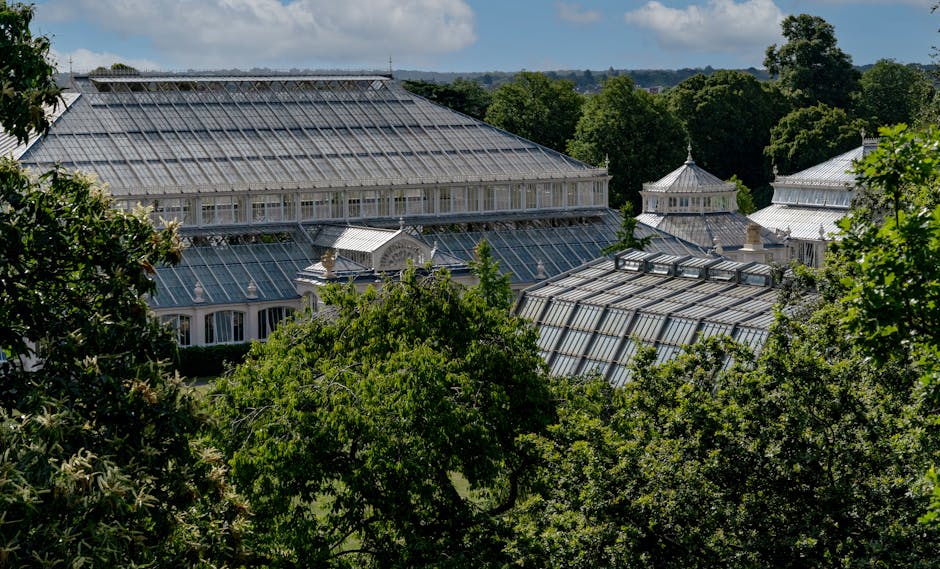
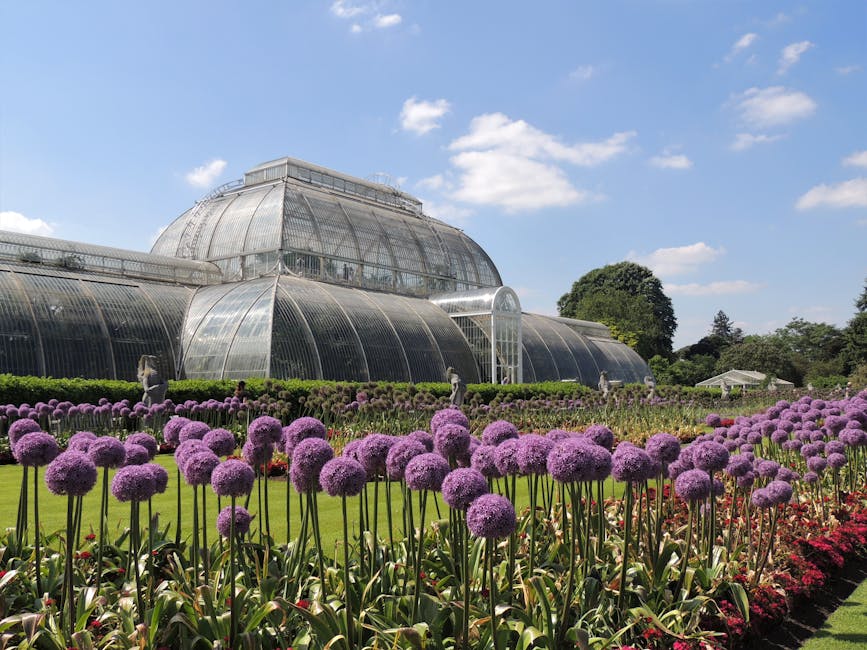
Richmond upon Thames in south-west London is a riverside district with a long association with royal history, landscaped open space and a town centre that blends heritage streets with busy modern amenities. Richmond Park, created in the seventeenth century as a royal deer park, remains one of the area’s best-known landmarks and is notable for its scale, its ancient trees and its wider ecological value. The River Thames shapes much of the district’s character, especially around the embankment, riverside paths and the stretches of water where boats, walkers and cyclists share the scenery. Richmond Bridge, completed in the eighteenth century, is among the borough’s most recognisable structures and connects the town to the south bank in a way that reflects the area’s historic river crossing. Architectural variety is visible throughout the district, from Georgian terraces and older commercial streets to later residential developments and civic buildings. Richmond Green adds another layer of historic texture, with open space framed by buildings and lanes that speak to the town’s long urban development. The borough also includes cultural venues, theatres, galleries and sports connections that contribute to a lively local identity. Kew Gardens lies nearby within the wider borough and is internationally known for its botanical collections and glasshouses, while the Thames Path and local parks provide strong links between built-up streets and greener spaces. Together, these features give Richmond a distinctive blend of urban comfort, historic setting and riverside landscape that has helped it remain one of London’s most recognisable places.
Keeping the hedge healthy after trimming
Good hedge trimming does more than improve appearance on the day. It can also support healthier regrowth by reducing overcrowded outer growth and encouraging a neater response from the plant. The key is moderation: removing what is needed to restore shape, while leaving enough leaf area for the hedge to continue functioning well. A well-timed, well-judged cut is often better than an overly severe one that leaves the hedge struggling to recover.
Different hedge types respond in different ways, so the aftercare and future planning depend on the plant rather than on a single rule. Some hedges appreciate steady annual or seasonal attention, while others need more measured intervention to avoid exposing bare sections. If the hedge has started to lose shape, trimming may be only one part of the overall plan; sometimes the goal is to bring the structure back gradually over more than one visit rather than forcing an immediate result.
If you are unsure how much work a hedge needs, it is usually sensible to judge the result from the current line of growth, not from an idealised shape that may not suit the planting. A careful approach helps keep the hedge full where it should be full and narrow where it needs to stay narrow. You can ask for a quotation when you are ready to compare the scope of the trimming with the finish you want.
Preparing for hedge trimming

A few practical details can make hedge trimming easier to organise, especially when the hedge is long, tall or part of a more complex garden layout. It helps to know which sections matter most to you, whether the work is for the whole hedge or only selected sides, and whether there are any access points that should be kept clear. Simple guidance about the preferred height, the amount of shaping and the level of tidying expected can make the result more precise.
Photographs can also be useful when a hedge has uneven growth or when the desired finish is not easy to describe in words. A picture of the front, side and top line can show the shape more clearly than a brief note alone. Where the hedge sits near gates, neighbours’ boundaries or other planting, it is useful to point out those details in advance so the work can be planned with care and the cut remains aligned with the space available.
When comparing trim or reduction options, think about whether the hedge is mainly decorative, protective, screening or all three. That usually helps determine how much is removed and how formal the final line should be. Clear expectations lead to better trimming decisions, and they reduce the risk of either underworking the hedge or taking away too much growth for the season.
Related garden services
Alongside hedge trimming, some gardens benefit from broader maintenance or improvement work that keeps the planting and outdoor areas in better order. Depending on the current condition of the space, this might include garden maintenance for ongoing care, garden clearance where overgrowth has built up, lawn mowing to bring open areas back into shape, or landscape gardening when a more substantial change is being planned. The right choice depends on whether the garden needs tidying, restoration or a longer-term refresh.
For gardens with structural features, there may also be a place for decking services or landscaping work where the aim is to improve how the space functions as a whole. Tree lopping and removal can be relevant when larger planting is affecting light, access or the overall balance of the garden, though that is a separate decision from hedge work and should only be considered where it genuinely suits the property. If your hedge forms part of a wider outdoor project, keeping the tasks distinct can make the result easier to plan.
Our approach is focused on the hedge itself, but it sits naturally within the broader care of the garden. If the boundary planting is overgrown, if the outline has drifted from its intended line or if the hedge simply needs a professional tidy, the service is designed to restore order without unnecessary complication. For a more detailed scope, see pricing and quotes before you decide how to proceed.
Making the right choice for your hedge

The right hedge trimming decision usually comes down to three things: the current state of the hedge, the shape you want to keep and how much of the growth needs to be removed now versus later. A hedge that has been maintained regularly may only need a neat finishing cut, while a hedge that has grown unevenly may need more measured correction. The important point is to choose a level of work that suits the plant and the garden, not a generic one-size-fits-all approach.
It can also help to think about the hedge in relation to nearby paths, driveways, lawns and planting beds. A trim that improves the hedge but leaves awkward overhang or unbalanced sides will not feel complete. The best results tend to come from clear proportion, even surfaces and a consistent line. If you are looking for a service that pays attention to those details, our hedge trimming work is set up to do just that. Keep the shape under control before it becomes difficult to manage.
When you are ready to compare options or move toward a booking, the simplest next step is to request a quotation and explain the hedge’s size, condition and desired finish. If that suits you, contact us for a quotation.